Changing Your Mind Should Not Cost Your Identity
Changing course can threaten identity. Leaders and brands can reduce defensiveness by making thoughtful updates a sign of judgment, not failure.

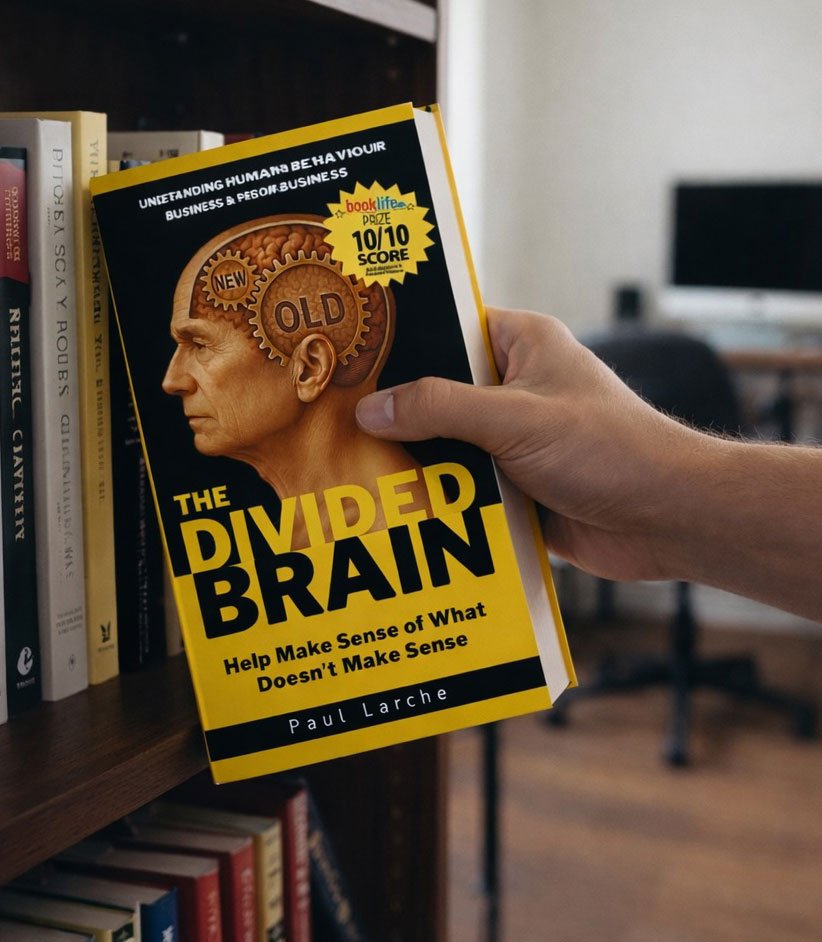
These posts and blog articles explore the forces that really shape human behaviour, especially in business, branding, and leadership. Using the Old Brain/New Brain framework from The Divided Brain, I break down why people decide the way they do, and how that understanding can help you communicate with more clarity, influence, and impact.
Changing course can threaten identity. Leaders and brands can reduce defensiveness by making thoughtful updates a sign of judgment, not failure.
Unanswered questions add hesitation and perceived risk. Clear next steps and visible progress reduce the hidden certainty tax on every choice.
Universal Music Group has sued DistroKid, according to Billboard and same-day industry coverage. The suit alleges that the distributor flooded streaming pl
Paul Larche explains how immediate feedback in radio revealed why logical advertising can fail and human stories move people to act.
A Rogers Apple Watch activation took hours of calls, a store visit and a ticket, then 30 seconds to fix. What customer effort says about a brand.
Paul Larche uses his 37-guitar confession to explain how the New Brain can build logical stories around decisions that began with emotion.
Novelty fades and expectations reset. Durable brand value still makes life easier, more capable, or more rewarding after the first excitement passes.
Why filming an entire concert can compete with living it, and why taking a photo or short video may still deepen attention without taking over the experience.
Customers often assign a brand a role before comparing its claims. The strongest brands earn that role through clear, consistent behaviour.
AI can shorten the distance between impulse and output. The reflective pause keeps speed from outrunning human judgment.